Bespoke vs Off-the-Shelf Packaging: What’s the Real Difference?
When it comes to packaging, businesses are often faced with a key decision early on: do you opt for a ready-made, off-the-shelf solution, or invest in something completely bespoke?
At first glance, off-the-shelf packaging can seem like the quicker and more cost-effective option. But as brands grow and competition increases, many begin to realise that packaging is more than just a container, it’s an extension of the brand itself.
So, what’s the real difference between bespoke and off-the-shelf packaging?
What is Off-the-Shelf Packaging?
Off-the-shelf packaging refers to pre-designed, standard packaging formats that are readily available to purchase. These might include generic boxes, mailers, or tubes that come in fixed sizes and styles.
They’re typically produced in bulk, which can make them more affordable and accessible.
The benefits:
Lower upfront costs
Faster turnaround times
The limitations:
Often produced with budget in mind, using less substantial materials
Limited size and format options
Minimal opportunity for brand differentiation
Often requires compromise on fit, protection, or presentation
While off-the-shelf packaging serves a purpose, it rarely gives businesses the level of finish, protection, or premium look they’re aiming for, and often falls short of delivering a memorable unboxing experience.
What is Bespoke Packaging?
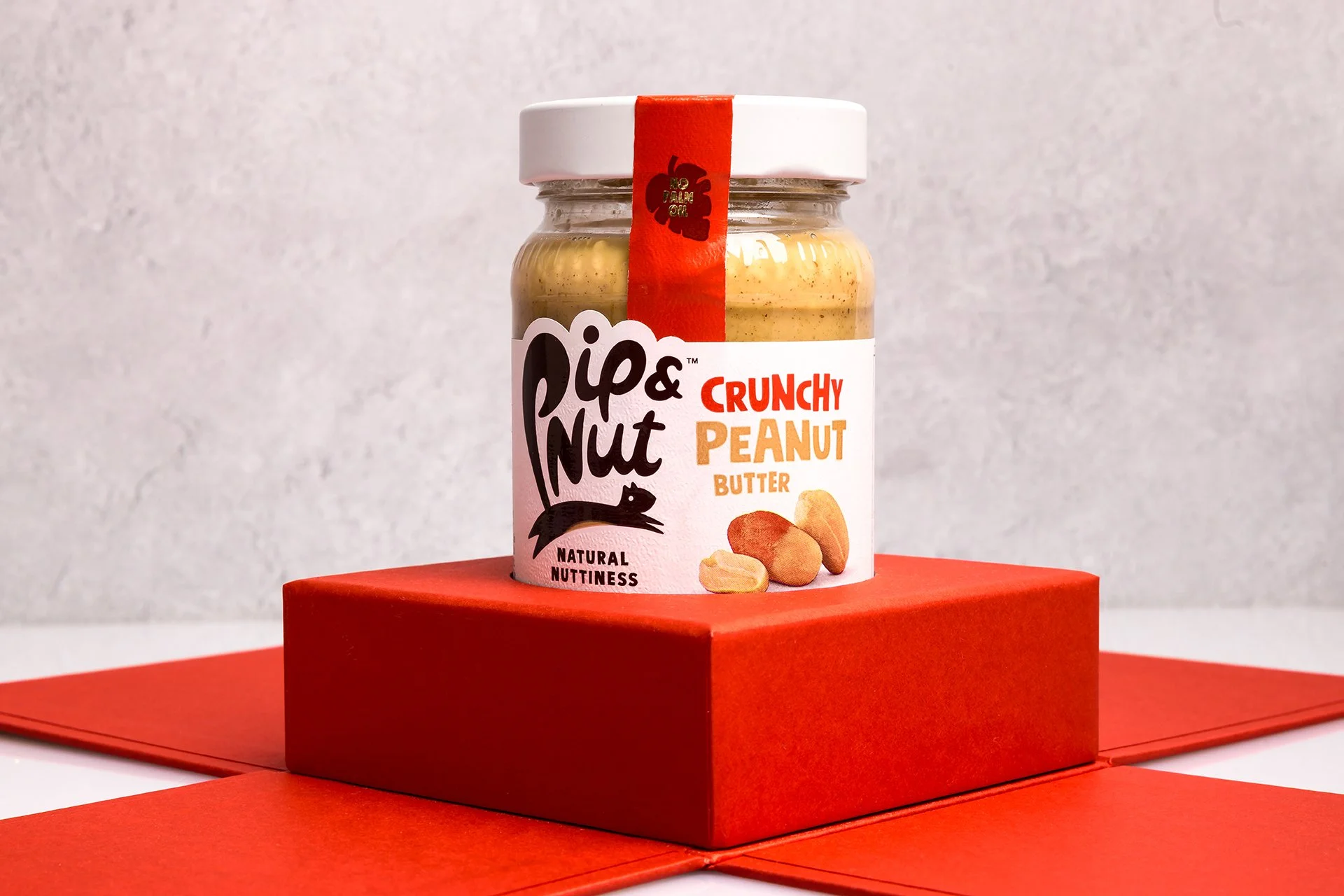
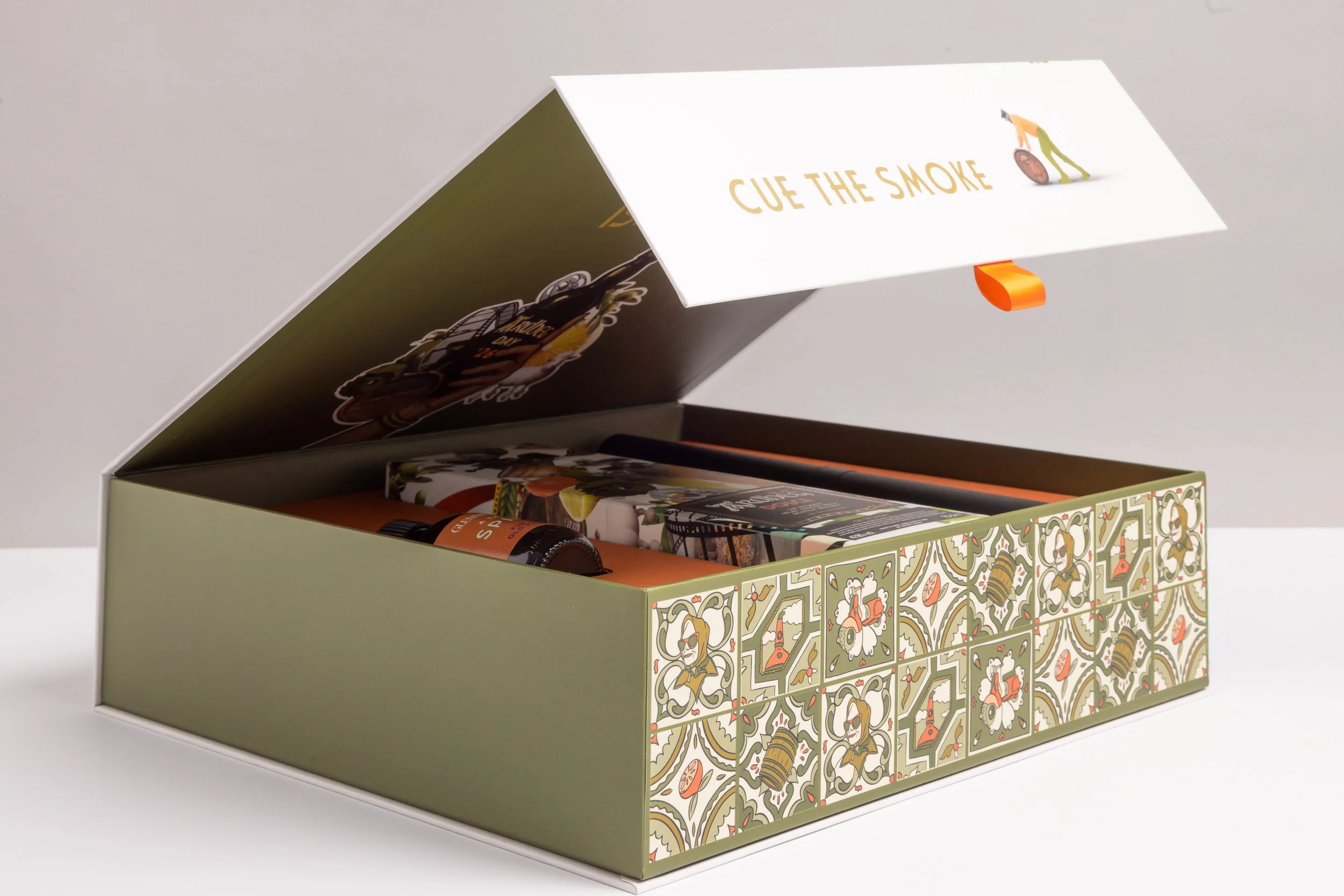
Bespoke packaging is fully customised to your product, brand, and customer experience. Every detail, from structure and materials to print finishes and inserts, is designed specifically for your needs.
Rather than adapting your product to fit the packaging, bespoke packaging is built around your product.
The benefits:
Tailored fit and enhanced product protection
Stronger brand identity and visual impact
Opportunity to elevate the customer experience
Greater flexibility in materials, finishes, and structure
Things to consider:
Higher initial investment
Longer development timelines
Requires collaboration and planning
However, for many brands, the return on investment comes through increased perceived value, customer engagement, and brand recognition.
The Real Difference: It’s About Brand Experience
The key difference isn’t just cost or convenience, it’s the role packaging plays in your brand.
Off-the-shelf packaging does the job. It protects the product and gets it from A to B.
Bespoke packaging, on the other hand, tells a story. It works in harmony with the product to enhance it, often making it look even more considered and refined. It communicates quality, builds anticipation, and creates a more considered, premium experience from the moment it’s received.
In a crowded market, those details matter.
When Should You Choose Bespoke?
Bespoke packaging is particularly valuable when:
You’re launching a new product or collection
Your product sits in a premium or competitive market
Presentation and gifting are key to the customer experience
You want to stand out on shelves or online
Finding the Right Balance
For some businesses, a hybrid approach works well. Starting with off-the-shelf packaging can be a practical way to test a product, before moving into bespoke solutions as the brand grows.
The important thing is to recognise when packaging shifts from being purely functional to becoming a strategic brand asset.
Final Thoughts
There’s no one-size-fits-all answer. Both options have their place, depending on your stage, budget, and goals.
But if you’re looking to create a more impactful brand presence and deliver a considered customer experience, bespoke packaging offers opportunities that off-the-shelf simply can’t match.
At Showcase Creative, we work closely with brands to design and produce packaging that not only protects a product, but enhances it.